Why Charli XCX’s Brat Album Cover Design Went Viral
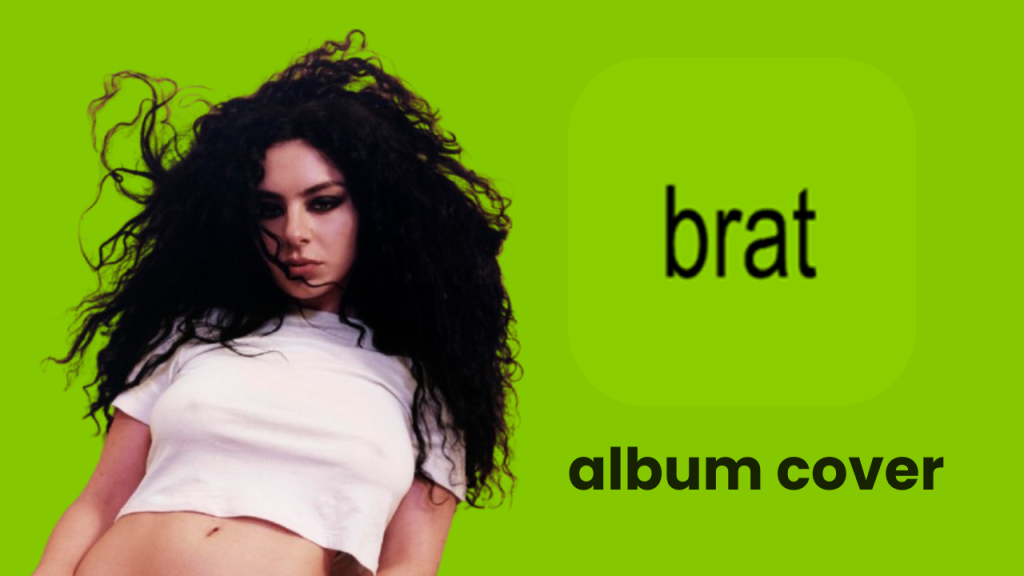
A blurry green square with four lowercase letters changed pop culture in 2024. There was no photo, no detailed artwork, just words on color. This album cover broke every design rule and became the year’s most recognizable image. Social media feeds, memes, edits, and fan recreations all started copying the same look.
The brat album cover went viral because it dared to look wrong. Most album art tries to look perfect but this one looked cheap on purpose. That honesty connected with millions of people instantly. This article explains why the Brat album cover design went viral and why it changed how people think about visual style online.
Who Is Behind the Brat Album Era
Charli XCX released her sixth studio album on June 7, 2024. The cover featured just the word “brat” in blurry lowercase Arial stretched across lime green. Nothing else. Her audience always expects bold choices from her. That trust gave the design space to exist without explanation.
Her team hated her idea initially and called it stupid and unprofessional. But when his fans understood the simplicity which matches her music style and attitude, they started paying attention instead of dismissing it. Sometimes the ideas that seem worst become the ones that work best.
How it Broke Traditional Album Cover Rules
The Brat album cover broke many rules that album designs usually follow. Instead of trying to look polished or artistic, it chose simplicity and confidence, which surprised people and grabbed attention instantly.
No Artist Photo
For the first time in her whole singing career, Charli XCX did not appear on her own album cover. Female pop artists typically use their images to sell records but his absence felt radical. She took a risk and her choice challenged whole industry expectations. Fans noticed it immediately and started praising it. The Brat cover made a statement before anyone heard the music.
Intentionally Ugly Design
Initially, the designer Brent David Freaney tested over 500 shades of green. They specifically chose the most aggressive, uncomfortable option. The color needed to feel slightly wrong. Charli wanted something that made people uncomfortable at first glance. The shade reminded viewers of slime, old Nickelodeon graphics, and cheap makeup packaging. These associations felt nostalgic and rebellious simultaneously.
Simplicity Stood Out
On social media, people scroll fast and the detailed designs get ignored. Bold colors stop the scroll as it did. The Brat green background was impossible to miss. The text was readable even on small screens. No zooming or thinking was required. People understood the message in seconds. That clarity and simplicity helped the cover travel across platforms easily.
Why the Blurry Text Worked
The cover looked rushed and cheap but it was not. This contradiction created intrigue and people started to debate. Some of them called it genius, and said it suits Charli’s personality while others called it lazy. Both perspectives drove engagement to it. Critics wrote long essays and simplicity invited interpretation. Everyone had their own opinion and they used it. This conversation spread the image everywhere and it broke the internet.
The green color used in the Brat cover played a main role, as it felt aggressive and confident. It does not try to be calm or elegant. It demanded attention which it earned. Soon, the Green color itself became a signal. When people saw that shade of green with lowercase text, they instantly thought of Brat. That kind of recognition is rare and powerful.
How Brat Green Became a Cultural Phenomenon
The specific shade achieved instant brand recognition and people started calling it “brat green” like they reference Tiffany blue or Barbie pink. That single color was enough to explain the whole idea behind Brat. The London Eye even lit up in brat green to celebrate the album. Fashion brands took advantage of this iconic trend and released clothes using the same shade. The color escaped music and entered broader culture.
Social media quickly got flooded with “brat summer” posts. Fans used the brat text generator to create their own versions and share them online. Everyone became part of the trend. What made it spread so fast was how easy it was to copy. Anyone could recreate the look without design skills or expensive tools. That simple access and process helped the trend grow even faster.
The Viral Generator Tools
During the trend, fan-made generator tools started appearing within days of the album release. People enjoy trends they can easily join, and the Brat cover made that possible. These tools allowed anyone to place their own words on the bright green background. Fans replaced the album text with their moods, names, or jokes and shared them online.
Tools like the brat generator removed technical barriers and made the process fast. You type a word, choose colors, download the image, and share it anywhere. This simplicity helped users turn the design into a personal expression. Every new version shared online pushed the original Brat design even further.
When Politics Met Pop Culture
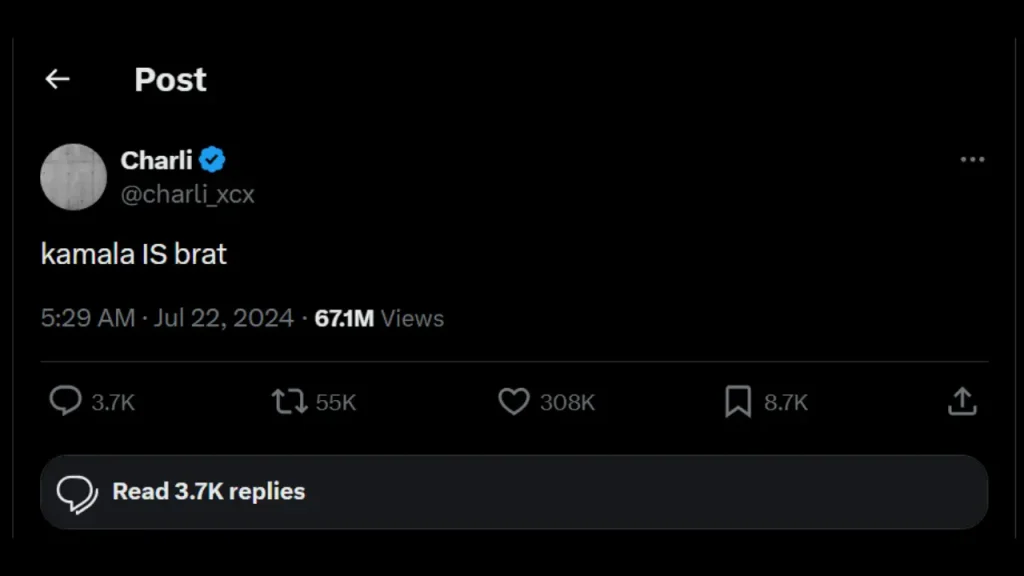
Charli even tweeted “kamala IS brat” during the 2024 presidential campaign. After that, the Vice President’s team quickly picked up the Brat style. Her campaign social media pages switched to the same brat green look, which got millions of views online. This crossover surprised many people. A pop album design had turned into a political visual style. Later, even the UK Green Party used a similar format during elections. These moments showed that the Brat design had grown beyond music and become a way to express attitude and energy in public life.
The Lasting Impact on Design Culture
In 2024, Collins Dictionary named “brat” the Word of the Year. That showed how powerful and successful the idea had become. A simple album cover did more than just look cool. It changed how people used the word brat to describe confidence, honesty, and being real.
After that, design trends on social media started to change and brands stopped trying to look perfect all the time. Many of them started to copy the bold idea of Charli XCX .Now they have been using bold colors and simple layouts in their products. Marketers learned that rough and real designs connect better than polished ones. This shift will continue to shape online design for a long time.
Final Thoughts
The Brat album cover shows that great design can break rules on purpose. Charli and her team made choices that looked wrong at first, but each one had a clear reason. In the end, those choices helped them to succeed and change internet culture.
One bright color and a few blurry letters became one of the most recognizable images of 2024. It worked because it felt honest, timely, and easy to copy. The brat aesthetic proves that anyone can be part of viral culture when creativity is simple and open to everyone.